



NASA says no new launch attempt before next Sunday
 1:52 AM
 Nasa Information
, Posted in
NASA
,
nasa education
,
nasa images
,
nasa information
,
Nasa News Updates
,
NASA Space Information
,
0 Comments
Nasa Information
, Posted in
NASA
,
nasa education
,
nasa images
,
nasa information
,
Nasa News Updates
,
NASA Space Information
,
0 Comments

NASA says no new launch attempt before next Sunday (AP)

NASA's space shuttles are dragging their tails toward retirement.
The high-profile voyage of Endeavour - the next-to-last space shuttle flight led by the husband of wounded Rep. Gabrielle Giffords - is off until at least next Sunday because of a technical problem. The latest culprit, believed to be a bad fuse box, illustrates just how complex these space machines are and why NASA's goodbye to the 30-year shuttle program may be a long one.
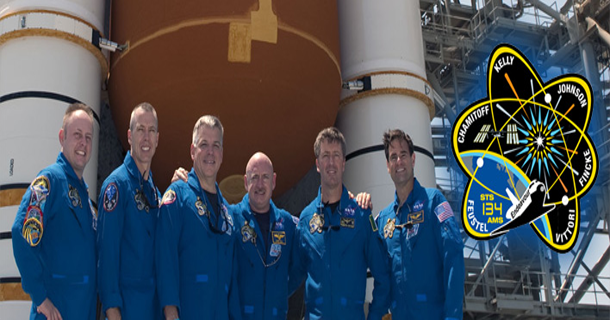
Commander Mark Kelly and his five crewmates quickly headed back to Houston on Sunday morning, two days after their first launch attempt was foiled.
Giffords wasn't far behind; she was in Houston by midafternoon, ready to resume rehab at the hospital where she's been undergoing treatment since January, after being shot in the head in an assassination attempt. She had arrived in Florida Wednesday to take part in the excitement of the launch countdown and to see her husband blast off. It was not immediately known if she would be back for a second try.
Her presence added to the drama surrounding Endeavour's liftoff. So did that of President Barack Obama and his family. They were disappointed not to see a launch on Friday, but still dropped by for a tour at Kennedy Space Center anyway. Obama hinted he might make a return visit to see the very last shuttle launch this summer.
The tip-off that Endeavour had a problem was the failure of heaters that are crucial for keeping a fuel line from freezing in space. The launch was called off Friday as the astronauts headed to the pad to board the shuttle. NASA has now traced the problem to the switch box.
Over the decades, space shuttles have encountered all sorts of technical problems, from nose to tail, that have held up launches. So have problems with their tanks and booster rockets.
Fuel leaks. Engine shutdowns. Wiring problems. Stuck valves. Burst hoses. Turbine failures. Hail damage, even woodpecker holes in the insulating foam of fuel tanks.
The high-profile voyage of Endeavour - the next-to-last space shuttle flight led by the husband of wounded Rep. Gabrielle Giffords - is off until at least next Sunday because of a technical problem. The latest culprit, believed to be a bad fuse box, illustrates just how complex these space machines are and why NASA's goodbye to the 30-year shuttle program may be a long one.
Commander Mark Kelly and his five crewmates quickly headed back to Houston on Sunday morning, two days after their first launch attempt was foiled.
Giffords wasn't far behind; she was in Houston by midafternoon, ready to resume rehab at the hospital where she's been undergoing treatment since January, after being shot in the head in an assassination attempt. She had arrived in Florida Wednesday to take part in the excitement of the launch countdown and to see her husband blast off. It was not immediately known if she would be back for a second try.
Her presence added to the drama surrounding Endeavour's liftoff. So did that of President Barack Obama and his family. They were disappointed not to see a launch on Friday, but still dropped by for a tour at Kennedy Space Center anyway. Obama hinted he might make a return visit to see the very last shuttle launch this summer.
The tip-off that Endeavour had a problem was the failure of heaters that are crucial for keeping a fuel line from freezing in space. The launch was called off Friday as the astronauts headed to the pad to board the shuttle. NASA has now traced the problem to the switch box.
Over the decades, space shuttles have encountered all sorts of technical problems, from nose to tail, that have held up launches. So have problems with their tanks and booster rockets.
Fuel leaks. Engine shutdowns. Wiring problems. Stuck valves. Burst hoses. Turbine failures. Hail damage, even woodpecker holes in the insulating foam of fuel tanks.


